3D is unavailable. Explore the illustrated assembly with the same controls.
01
The assembled lens
A machine for seeing.
Precision rings outside. Carefully arranged glass inside. Turn the lens, then pull the assembly apart.
Scroll to take it apart↓
Conceptual anatomy. No manufacturer design or optical performance is being simulated.
A FEW MINUTES AT THE OPTICAL BENCH
PLAY WITH LIGHT.
Turn a control. Watch the image change. Three small experiments in seeing.
Illustrative optics. These are diagrams, not sample footage from a named lens.
EXPERIMENT 01
OPEN IT UP.
A small opening. A big difference. Move the iris and see how aperture changes the light passing through a lens.
f/2 · wide openf/16 · stopped down
Iris blades
51%
Geometric light relative to f/2. Exposure settings held constant.
A wider aperture usually gives shallower depth of field. Distance and format matter too. T-stops account for transmission loss; this f-stop sketch does not.
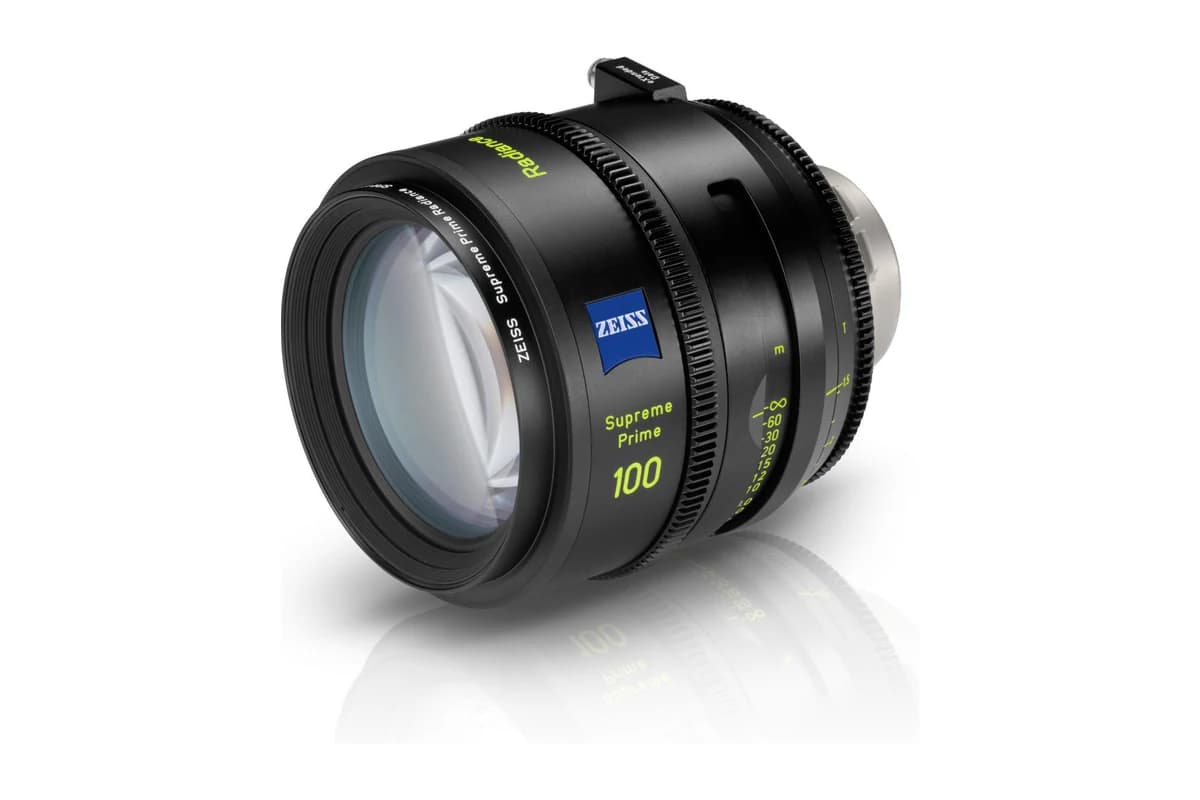
Large-format primes built around ZEISS T* blue coatings. ZEISS describes controllable flare and a slightly warmer rendering than standard Supreme Primes.
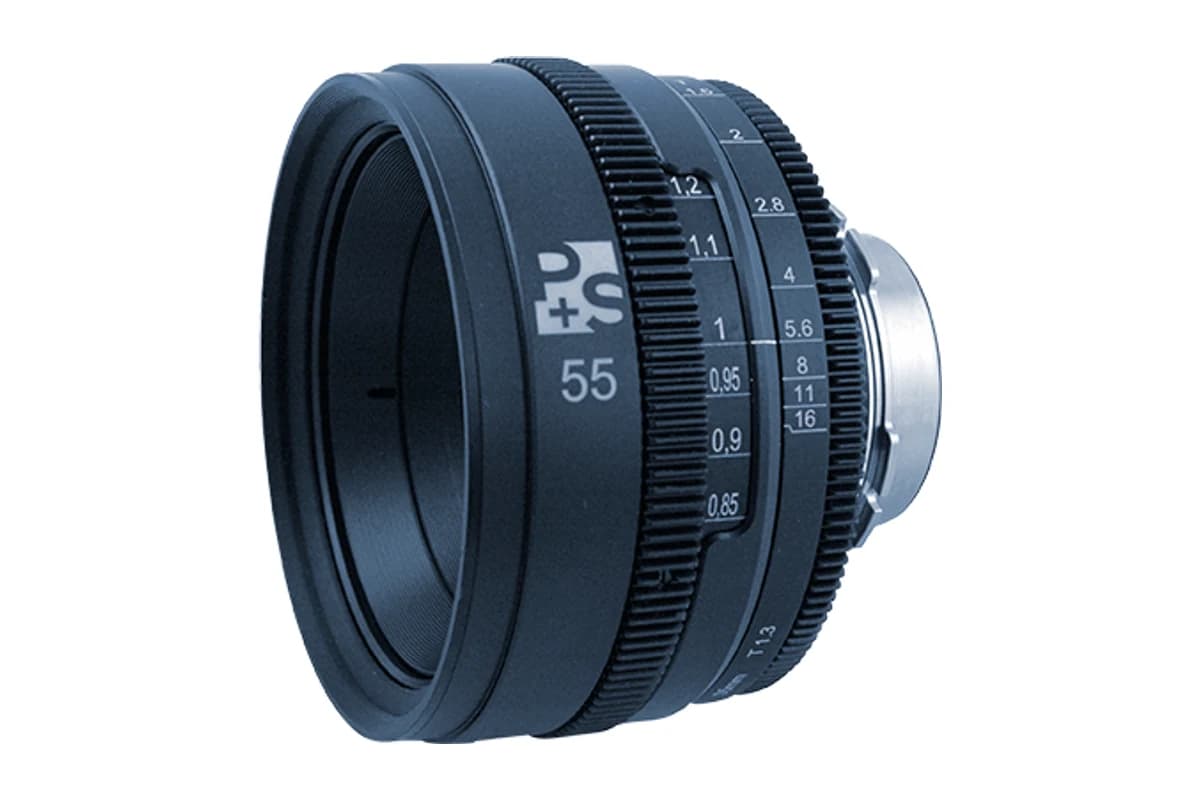
Vintage Canon K35 optics in P+S cine housings, with aligned gear positions and 110mm fronts. The referenced package includes separate 50mm and 55mm options.
Large-format primes with selectable optical tuning. TRIBE7 offers Straight, Transient and Expressive settings that alter flare, contrast and other rendering characteristics.
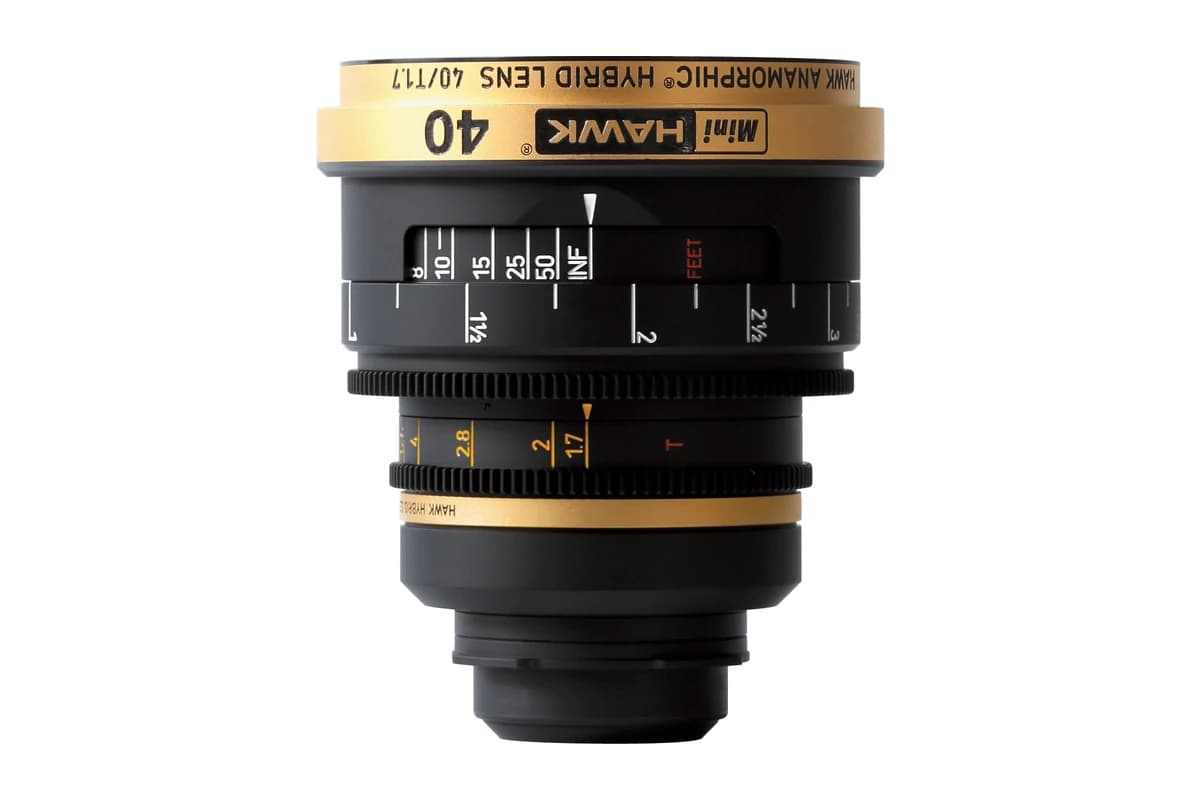
Hybrid optics that deliver anamorphic-style elliptical bokeh in a spherical image. Vantage emphasizes close focus and geometrically controlled rendering.
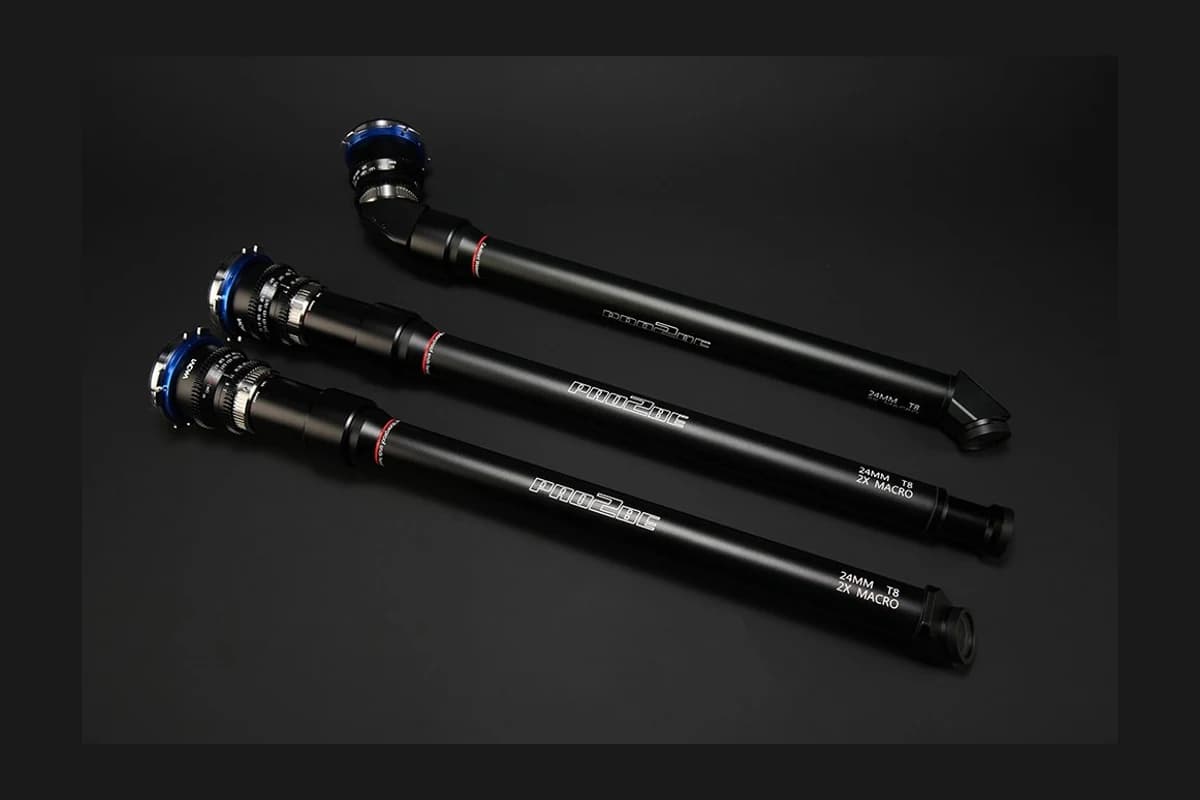
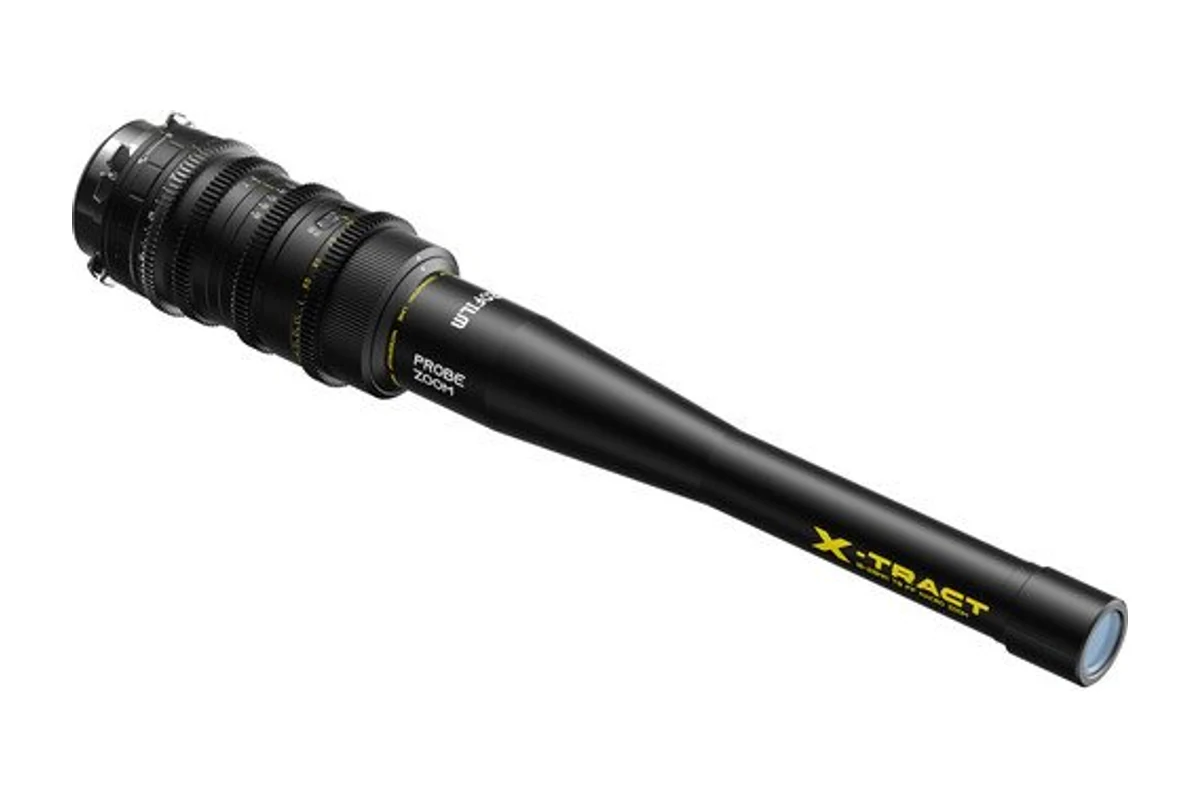
A full-frame probe zoom offered in direct, 90-degree and 360-degree periscope configurations. It reaches 2.1x magnification at 28mm with a 6mm working distance.
Rehoused Soviet optics that include the Helios 44-2 58mm. IronGlass preserves distinct donor-lens rendering while adding cine housings and matched 95mm fronts.
The original Vespid Prime family uses 80mm fronts, interchangeable PL/EF mounts and a 46.5mm image circle. Maximum aperture varies with focal length.
Focal range
12mm-125mm
Maximum aperture
T2.1-T2.8
GLM inventory connection
12 of 36 on the bench
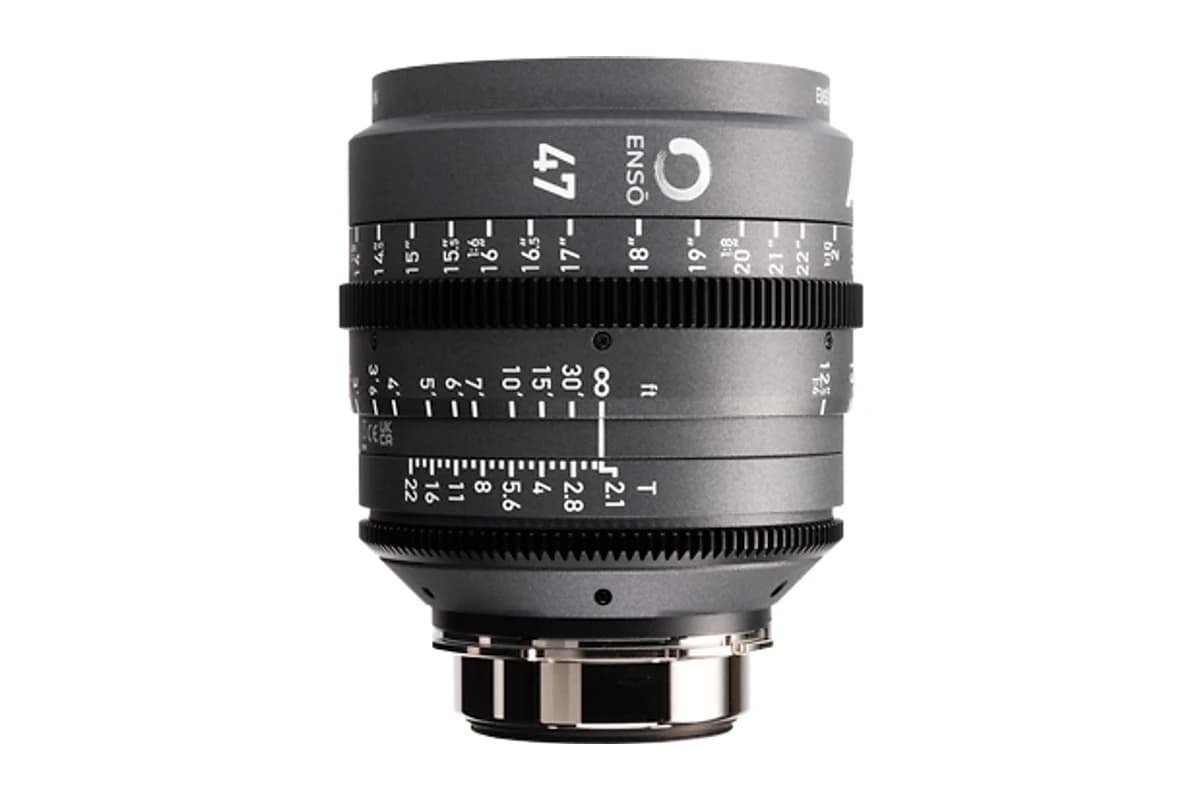
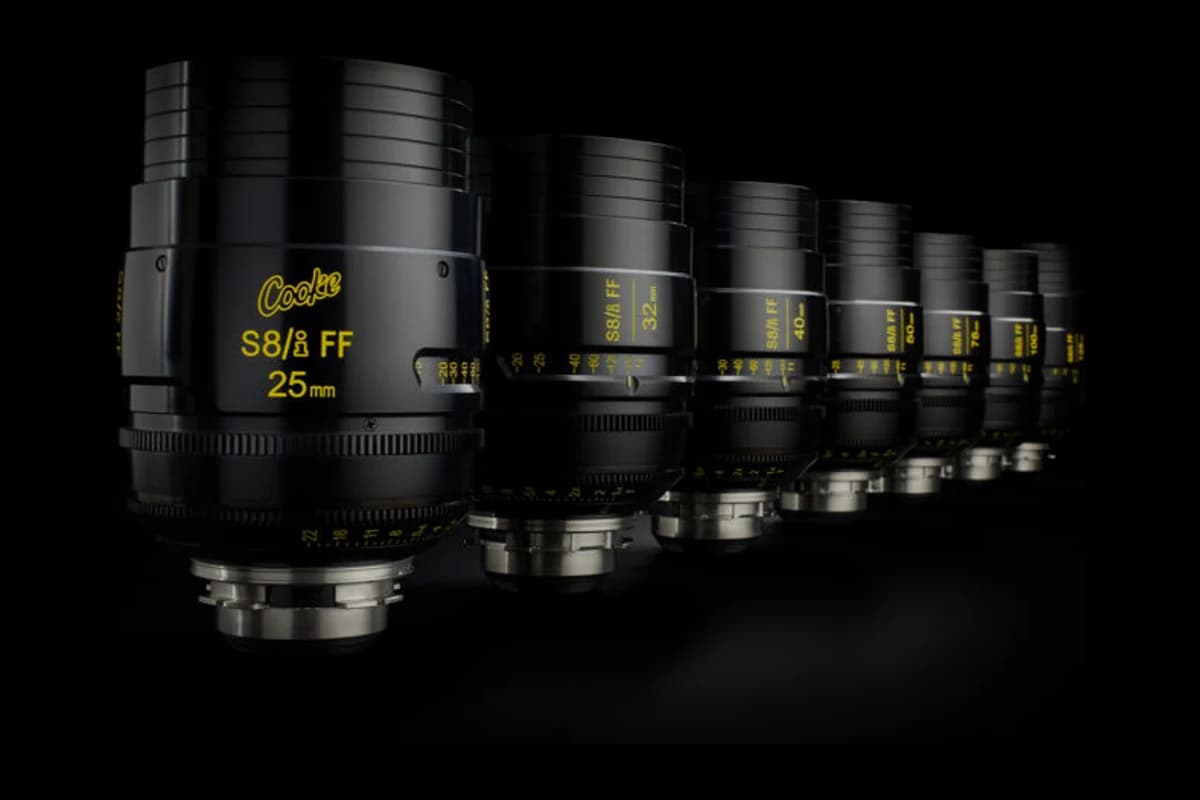
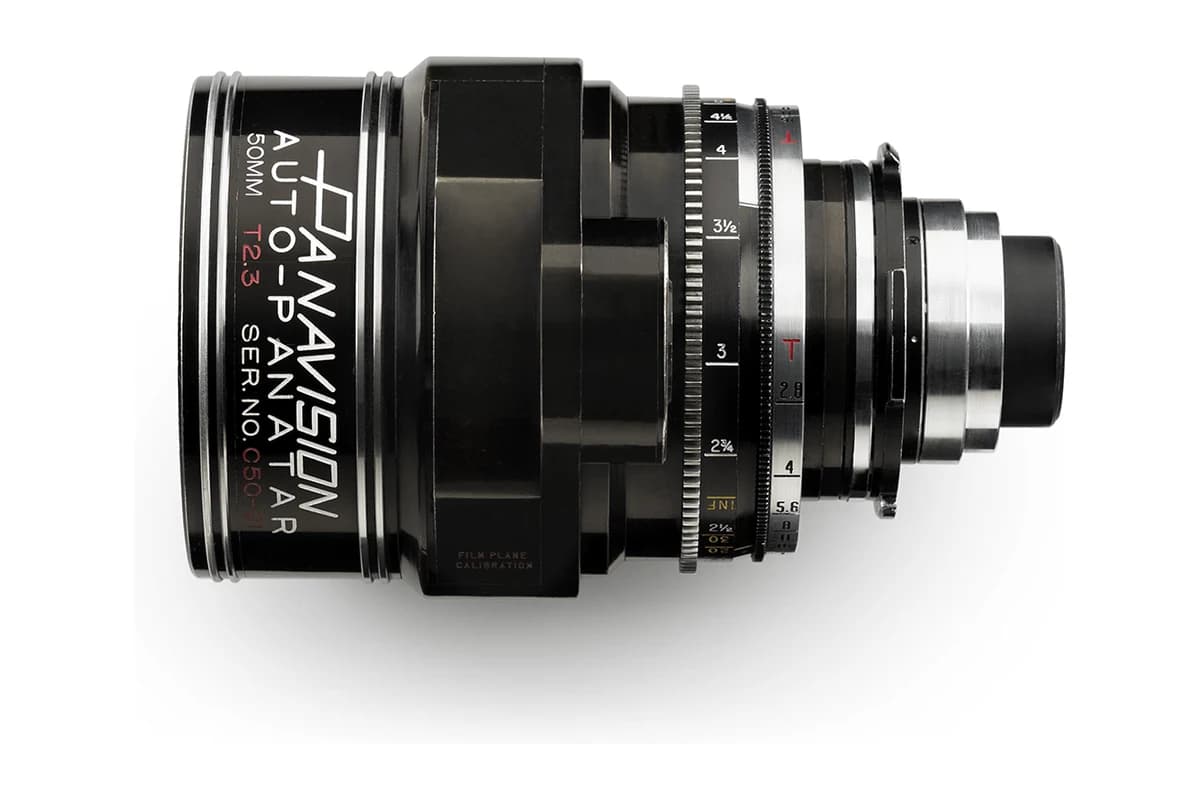
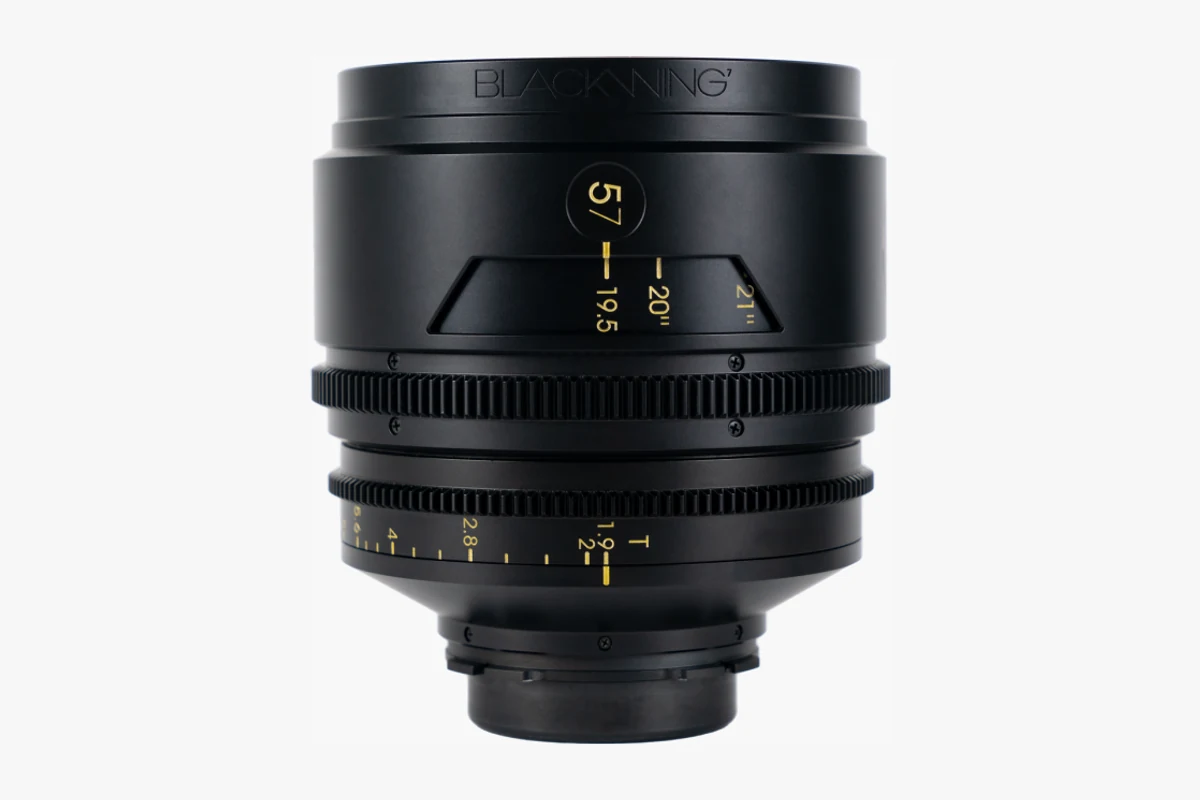
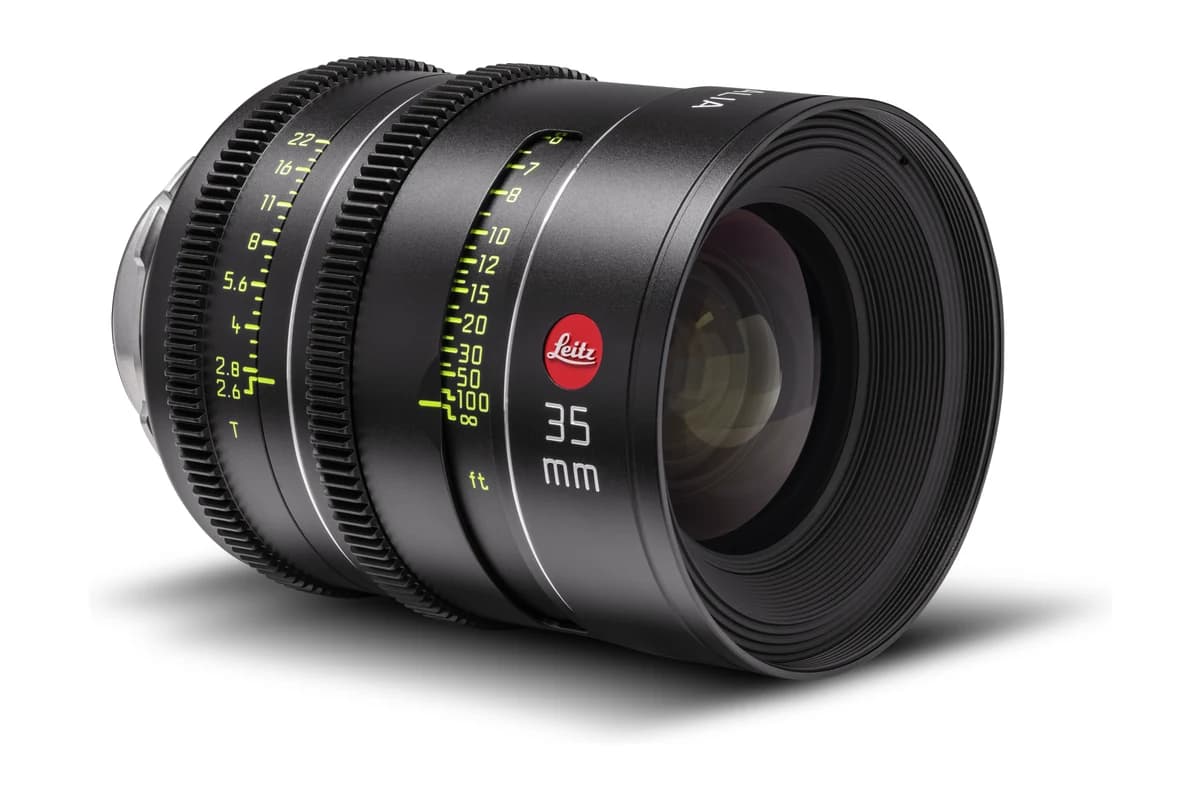
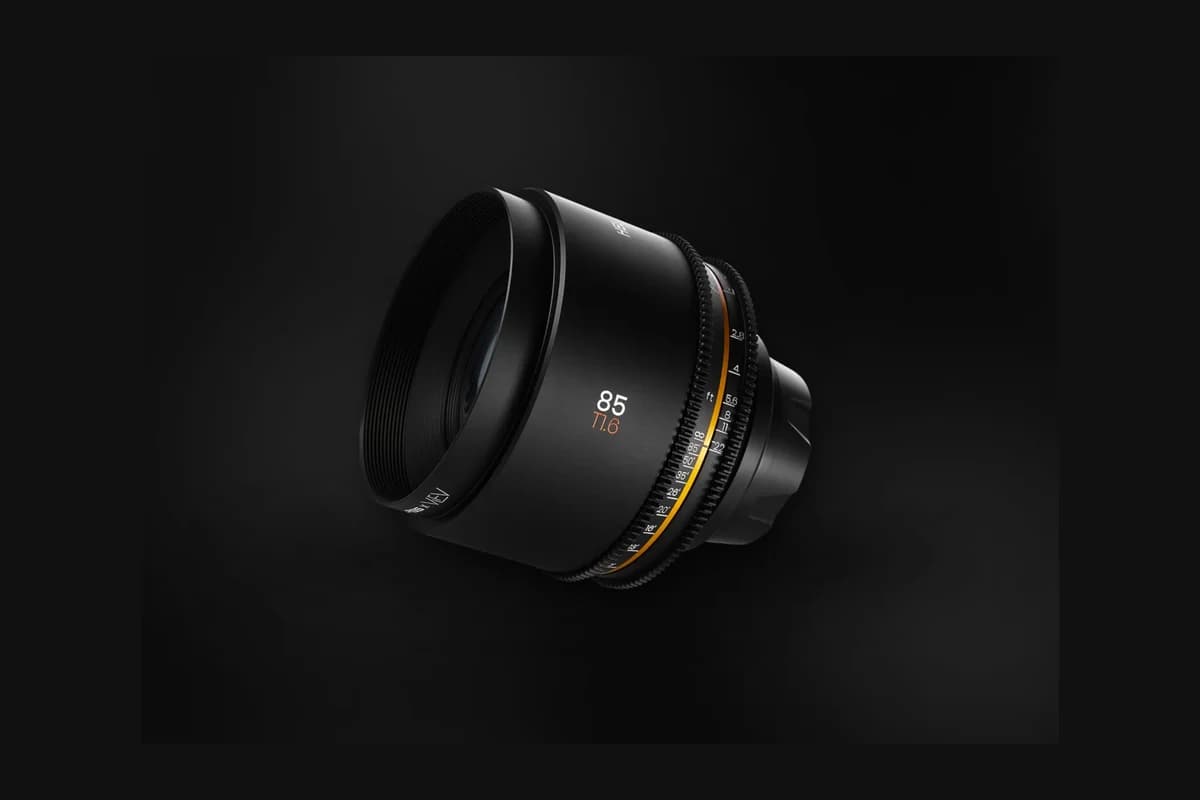
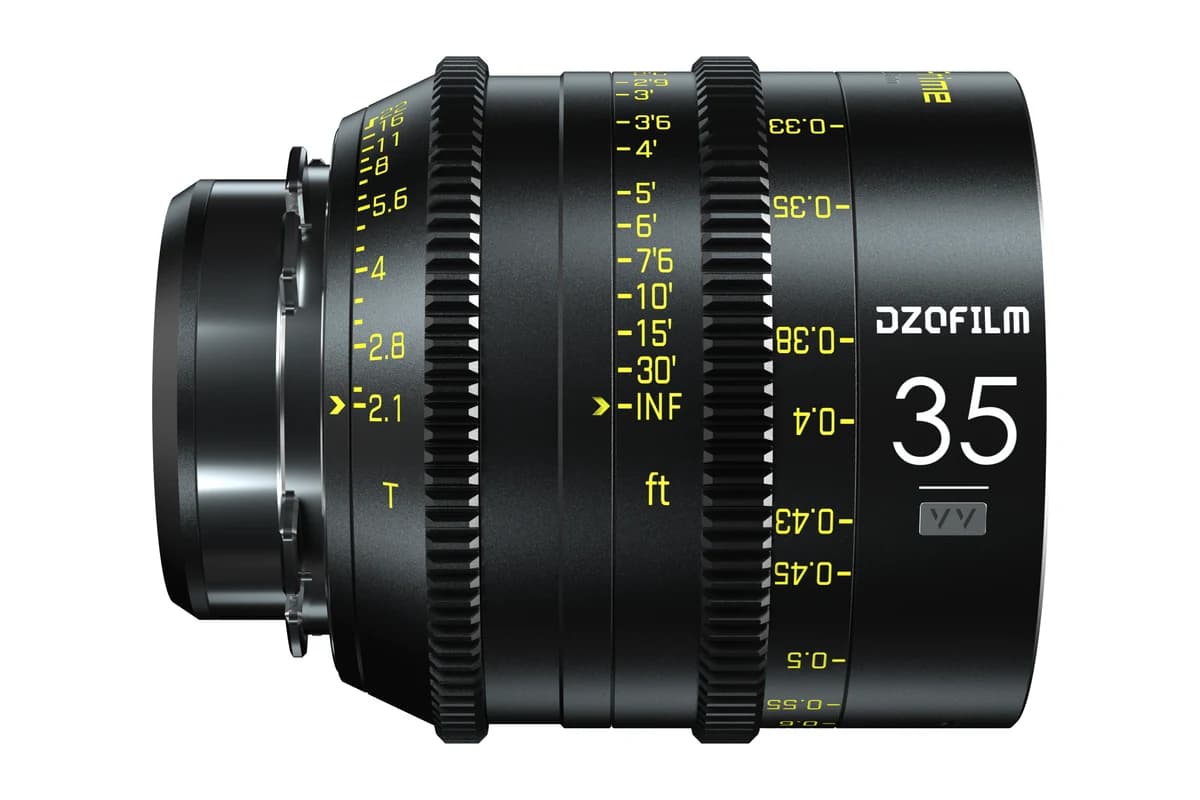
Product images show selected focal lengths or sets. Coverage, mechanics and appearance can vary by focal length, generation and rehousing. Image sources are linked with each lens.