ZEISS / Spherical Prime
ZEISS Master Prime
ARRI/ZEISS Super 35 primes spanning 12mm to 150mm, with a T1.3 maximum aperture across the family and PL mounts with lens data.
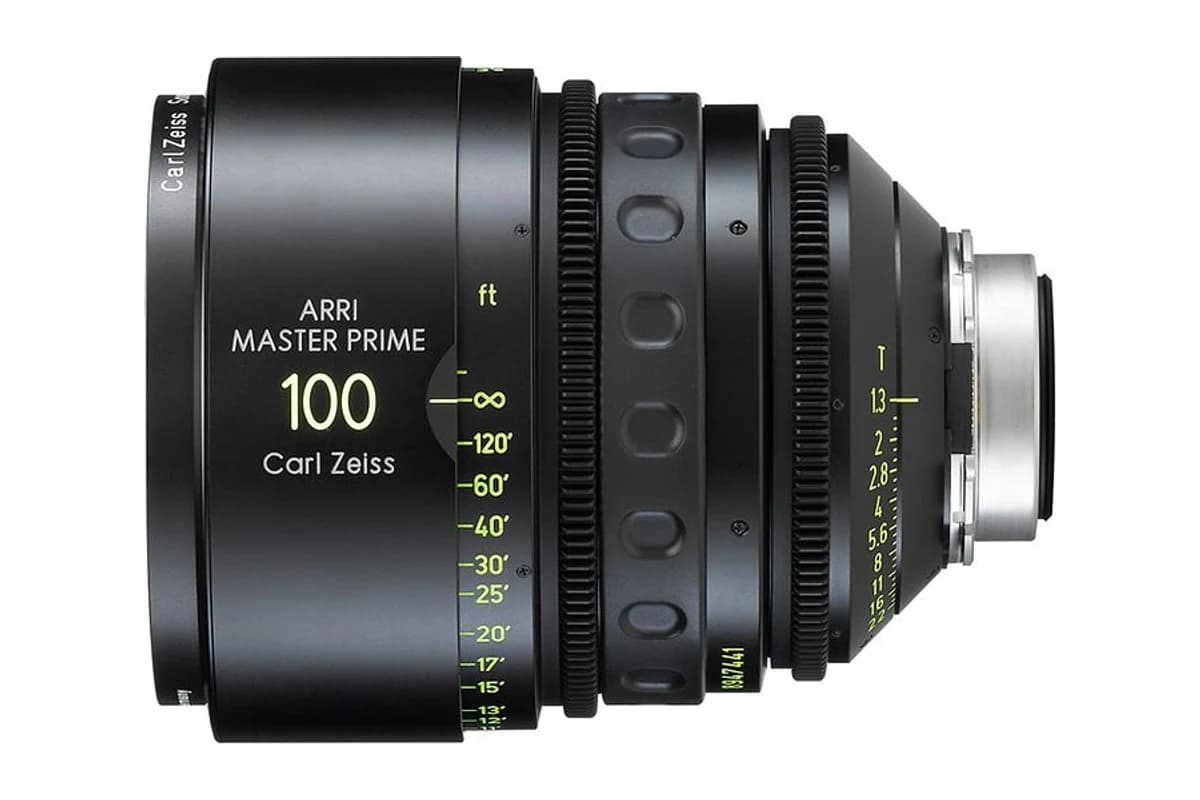
100mm shownImage: ARRI
01 / The lens
Optical Profile
- Lens type
- Spherical Prime
- Focal range
- 12mm-150mm
- Max. aperture
- T1.3
- Coverage
- Super 35
The ARRI technical table specifies Super 35 formats. Check the selected focal length against the camera's sensor mode; no single image-circle diameter is supplied here.
- Mounts
- PL
- Image circle
- Not established
- Introduced
- 2005
GLM sourcing
Ask GLM about sourcingGLM can use this profile as a starting point for lens strategy, sourcing, or adjacent package recommendations.
GLM editorial assessment
Rendering notes
These are qualitative selection notes. Evaluate the exact lens version, focal length and aperture on your intended camera.
Use cases
- Precision-focused narrative work
- VFX-heavy plates and compositing
- Night exteriors where consistency matters
Tradeoffs to test
- S35-only coverage on larger sensors
- Minimal texture if you want the lens to contribute character
02 / Visual context
Visual references
Editorial associations, not verified production credits. Use these references to discuss mood and framing.
Skyfall
2012 · Roger Deakins
Sicario
2015 · Roger Deakins
No Country for Old Men
2007 · Roger Deakins
Birdman
2014 · Emmanuel Lubezki
Roger Deakins
Cinematographer reference
Emmanuel Lubezki
Cinematographer reference
Robert Richardson
Cinematographer reference
03 / Further reading
Sources
Consult the original documentation for the specific focal length, mount and lens version. GLM's rendering notes and use cases are editorial interpretation.
04 / Other possibilities
Compare next
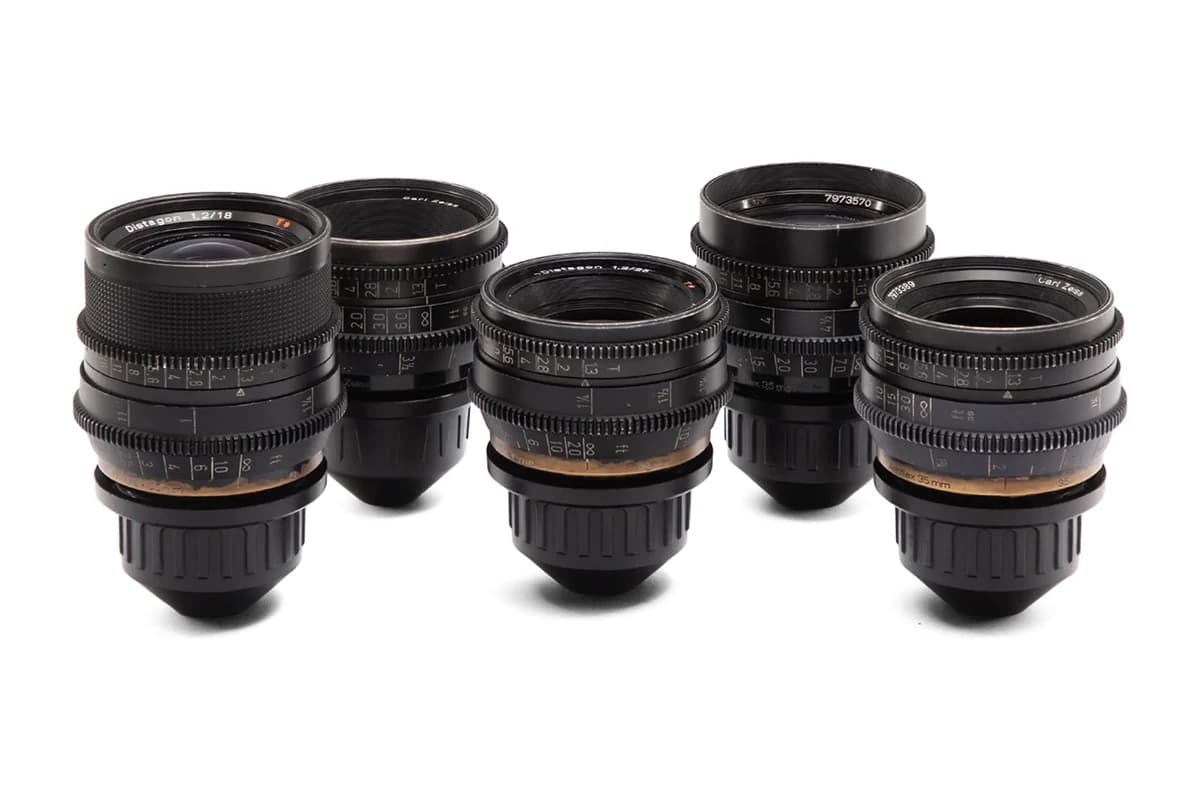
MKIII five-lens setImage: Shoot Blue
ZEISS Super Speed Mk III
Compare with ZEISS Super Speed Mk III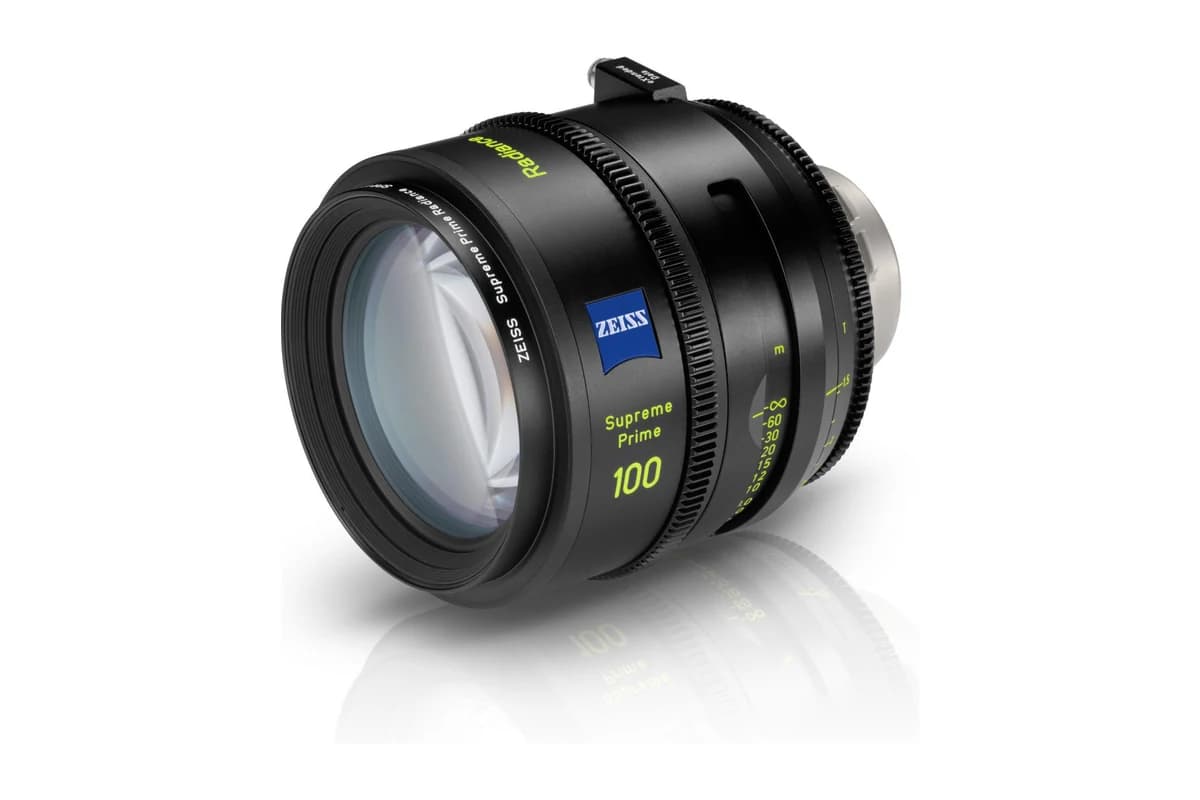
100mm shownImage: ZEISS
ZEISS Supreme Prime Radiance
Compare with ZEISS Supreme Prime Radiance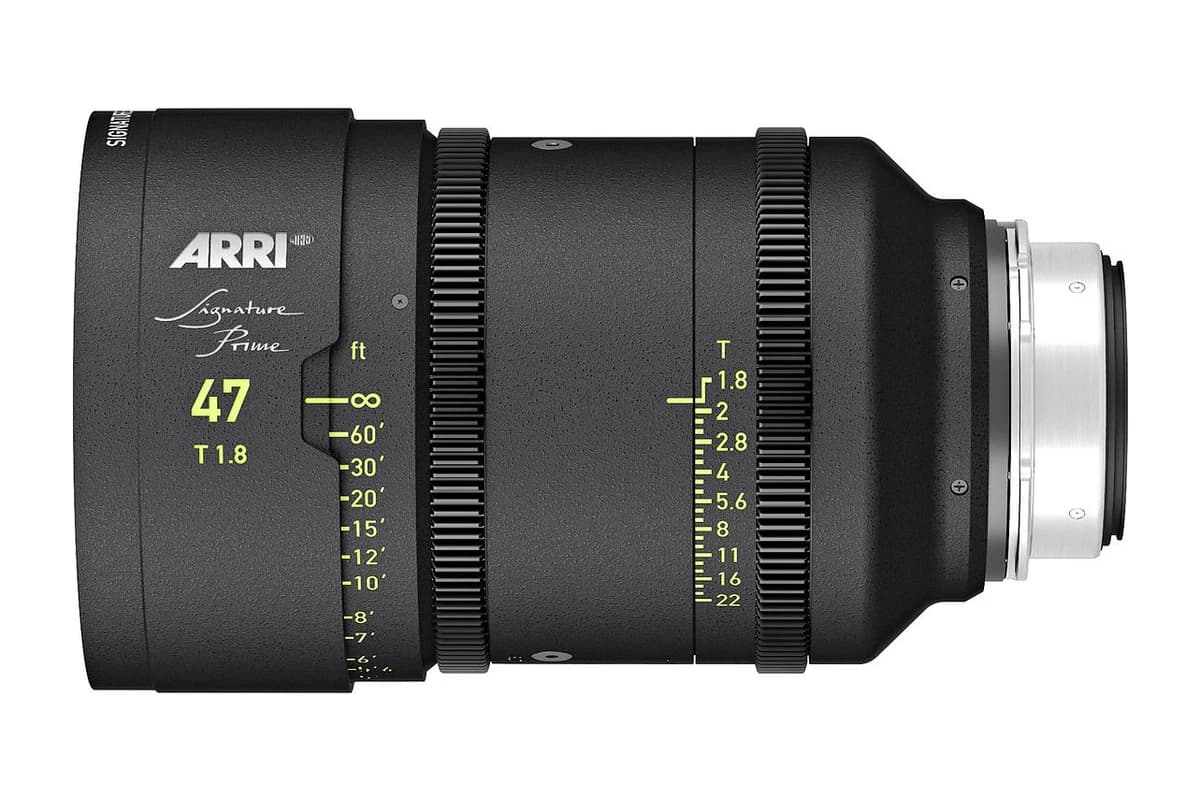
47mm shownImage: ARRI
ARRI Signature Prime
Compare with ARRI Signature PrimeProduct images show selected focal lengths or sets. Images do not share a common scale.